Summer in Korea: Rainy Season, Heat and How to Plan
Facts checked: 2026-07-197 min read
By Korea Visit Guide Editorial · Published · Updated
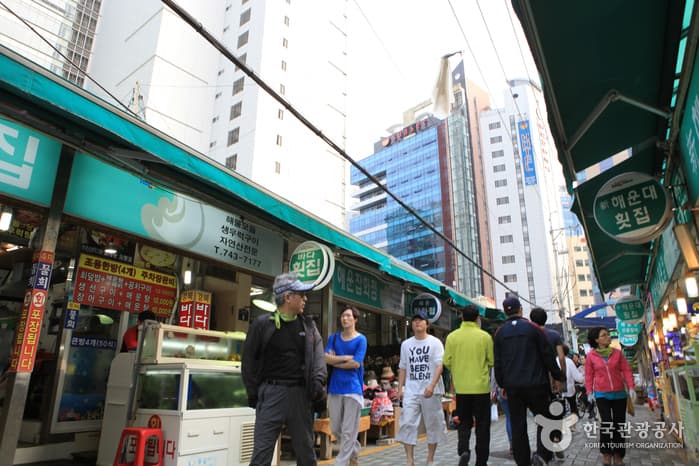
Summer in Korea: Rainy Season, Heat and How to Plan
Contains affiliate links
When Is Summer in Korea and How Long Does It Last
Korean summer runs from about June through August, though the feel changes a lot within that window. June starts mild and builds toward the monsoon. July is the wettest month for most of the country. August is typically the hottest and stickiest, even after the rain tapers off.
If you're checking exact dates for a specific trip, note that the rainy season's start and end shift by one to two weeks each year, so treat any calendar as a rough guide, not a guarantee.
Jangma (장마): Korea's Rainy Season Explained
Jangma is the East Asian monsoon front that sits over the Korean peninsula for several weeks each summer. It usually begins in mid-to-late June in southern regions like Busan and Jeju, reaching Seoul a few days later, and typically wraps up by late July.
A few things surprise first-time visitors:
- It's rarely a full day of steady rain. More common is heavy, sudden downpour for an hour or two, then clearing skies.
- Humidity stays high even between showers, so clothes and shoes can feel damp all day.
- Localized flooding can happen quickly in low-lying areas and near streams — check local alerts if heavy rain is forecast during your stay.
- Jangma doesn't mean the rain stops afterward. August still brings frequent afternoon thunderstorms, just less concentrated.
Check the Korea Meteorological Administration's official site for short-term forecasts once you're in the country, since app forecasts (including Naver's weather widget) tend to be more reliable than international weather apps for local rain timing.
How Hot Does Korea Get in Summer
Daytime highs typically run 28-35°C (82-95°F) in July and August, with Seoul, Daegu, and inland cities often feeling hotter than coastal Busan. The bigger issue is humidity, which regularly sits above 80%, pushing the "feels like" temperature several degrees above the actual reading.
Nights offer little relief. Overnight lows in Seoul often stay above 24-25°C (75-77°F) during peak summer — a pattern locally called yeoldaeya (열대야), or "tropical night," when it's too warm to sleep comfortably without air conditioning.
Late July through mid-August is generally the peak heat stretch, often overlapping with Korea's own summer vacation period, so domestic tourist spots (beaches, water parks, national parks) get crowded on top of being hot.
How to Plan Your Trip Around Rain and Heat
Time outdoor activities for early morning or evening. Palace visits, Han River walks, and hiking are far more comfortable before 10 a.m. or after 5 p.m. See the Han River guide for picnic and rental timing that works around the heat.
Build in indoor backups for rainy days. Museums, department stores, underground shopping arcades, and cafés in neighborhoods like Myeongdong or Hongdae are easy fallback plans when a downpour hits. The Myeongdong travel guide and Hongdae travel guide both have plenty of covered, walkable options.
Don't over-schedule single days. A packed itinerary looks great on paper but collapses fast in a surprise downpour or 34°C heat. If you're following a structured plan, the 5-Day Seoul itinerary builds in slack that's easy to shuffle around weather.
Watch the forecast daily, not just once before the trip. Jangma rain is localized and short-notice; checking each morning is more useful than planning a week ahead.
Avoid mid-August if you can. This is peak domestic vacation season — trains, beaches, and popular restaurants get booked out. If your dates are flexible, June (before jangma) or early September (after the worst heat) are more comfortable windows.
Summer Weather by Region: Quick Comparison
| Region | Rainy season timing | Peak heat feel | Notes |
|---|---|---|---|
| Seoul | Mid-June to late July | Very humid, hot inland heat | Tropical nights common in Aug |
| Busan | Mid-June to mid-July | Hot but sea breeze helps | Slightly less humid than Seoul |
| Jeju | Earliest start, often early-mid June | Hot and very humid | Rain can be heavier, more sudden |
| Inland/mountain areas | Similar to Seoul | Cooler at elevation | Better for hiking in peak summer |
What to Pack and Wear
- Lightweight, quick-dry fabrics — cotton stays damp in this humidity
- A compact umbrella (convenience stores sell cheap ones everywhere if you forget)
- Water-resistant shoes or sandals that dry fast; avoid canvas sneakers
- A portable fan or small battery fan — extremely common locally and sold cheaply at convenience stores and marts
- Sunscreen even on cloudy days, since UV can stay strong between showers
- A light rain jacket for hiking or all-day outdoor plans
For connectivity to check rain radar on the go, sort out a Korea eSIM before you land so you're not relying on spotty café Wi-Fi to track a fast-moving storm.
Is Summer a Good Time to Visit Korea
Summer isn't the most comfortable season for outdoor sightseeing, but it's also when the country hosts summer festivals, night markets, and river activities that don't happen the rest of the year. If your itinerary leans toward museums, shopping, food, and city neighborhoods, the weather matters less. If you're planning to hike or spend long days outdoors, consider bookending your trip around jangma rather than during its peak, and compare against other seasons like the cherry blossom season or autumn foliage if your dates are flexible.
Summer in Korea: Rainy Season, Heat and How to Plan
Contains affiliate links
Quick answers
When does Korea's rainy season start and end?
Jangma typically begins in mid-to-late June in southern areas like Jeju and Busan, reaches Seoul within a few days, and generally ends by late July. Exact dates shift year to year by a week or two, so check the Korea Meteorological Administration's forecast once you're closer to your travel dates.
Is it too hot to visit Korea in August?
August is the hottest month, with highs of 30-35°C and humidity above 80%, plus warm 'tropical nights.' It's not too hot to visit, but plan outdoor activities for morning or evening, build in indoor backups, and expect crowds since it overlaps with Korea's domestic summer vacation period.
Do I need an umbrella every day in summer?
Yes, especially during jangma (mid-June to late July). Rain tends to arrive as short, heavy downpours rather than all-day drizzle, so a compact umbrella is worth carrying daily. Convenience stores sell cheap umbrellas everywhere if you get caught without one.
Is June or September a better time to avoid the rain and heat?
Early June, before jangma sets in, and early-to-mid September, after peak heat fades, are generally more comfortable than July or August. Rain and heat patterns still vary by year, so check short-term forecasts rather than relying solely on seasonal averages.
Local Now
Seoul Lunar New Year Opening Hours: What Stays Open
See Seoul Lunar New Year opening hours for Myeongdong, Hongdae, and Insadong shops, markets, and restaurants, plus Jan 1 closures and subway hours.
Facts checked: 2026-08-13 · 7 min read
Seongsu Pop-Up Culture: How Korea's Trend District Works
Seongsu pop-up culture explained: how to find current pop-ups, what to expect, reservation rules, and why brands treat this district as their testing ground.
Facts checked: 2026-07-19 · 7 min read
Winter in Korea: Weather, What to Pack & Best Things to Do
A complete guide to winter in Korea: exact season dates and months, real Seoul temperatures, snow chances, whether Korea winter travel is worth it, what Korean winters actually feel like, what to pack, and the best cold-weather things to do.
Facts checked: 2026-09-09 · 8 min read
Latest guides
Yeoju Premium Outlets Shuttle Bus: Seoul Day Trip Guide
How to get the Yeoju Premium Outlets shuttle bus from Seoul, grab the foreigner discount coupon, and store luggage before shopping. Routes, times, prices.
Facts checked: 2026-10-20 · 7 min read
How to Book K-League Football Tickets in Korea
How to find K-League match schedules and buy football tickets in Korea: official sites, stadium box offices, prices, and English-language support.
Facts checked: 2026-10-18 · 5 min read
Hiking Bukhansan as a Tourist: Easiest Routes & Subway Access
Hike Bukhansan as a first-timer: the easiest beginner trails, the gear to pack, and which subway station gets you to each trailhead.
Facts checked: 2026-10-15 · 6 min read
Where to Stay in Jeju: Jeju City vs Seogwipo vs Aewol
Compare Jeju City, Seogwipo, and Aewol to pick the right home base for your first Jeju trip based on attractions, nightlife, and drive times.
Facts checked: 2026-10-13 · 6 min read