Cherry Blossom Season in Korea: When and Where to Go
Facts checked: 2026-07-197 min read
By Korea Visit Guide Editorial · Published · Updated
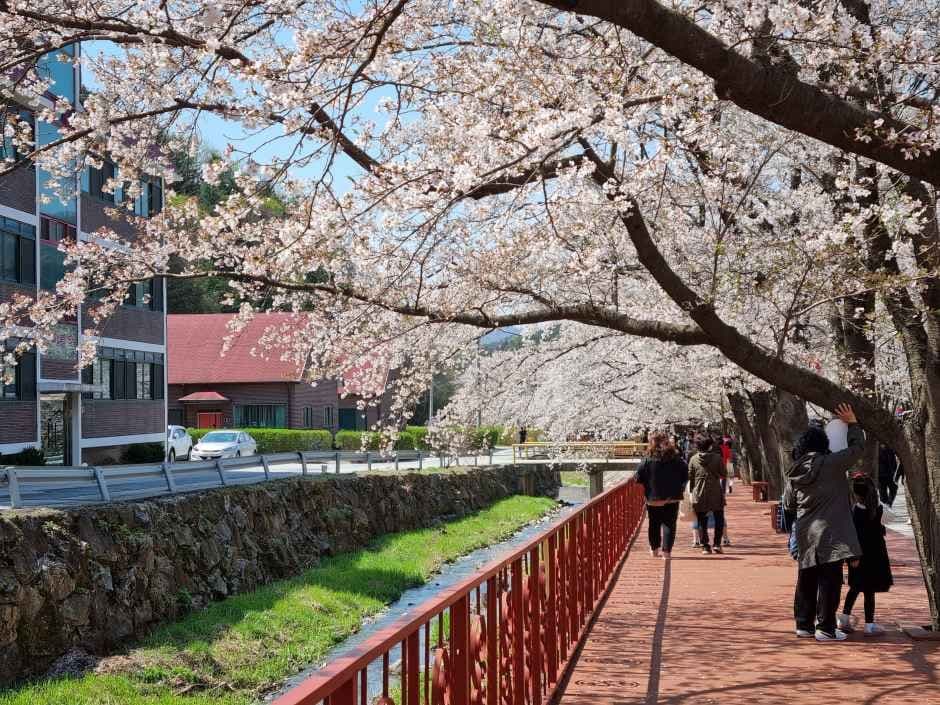
Cherry Blossom Season in Korea: When and Where to Go
Contains affiliate links
Stay connected in Korea
Get a Korea travel eSIM before you land — data works the moment you arrive, no SIM swap.
Contains affiliate links
Cherry blossoms (벚꽃, beotkkot) are one of the biggest reasons people time a trip to Korea for late March or early April. The bloom is short, weather-dependent, and moves across the country over about three weeks — so knowing the timing matters more than knowing the location.
When Does Cherry Blossom Season Happen in Korea?
Korea's cherry blossoms generally bloom from mid-March to mid-April, starting in the south and moving north.
| Region | Typical bloom start | Typical peak |
|---|---|---|
| Jeju Island | mid-March | late March |
| Busan | late March | early April |
| Seoul | late March–early April | April 1–10 |
| Gangwon (Chuncheon, Sokcho) | early April | mid-April |
These dates shift by about a week earlier or later depending on how warm the winter and early spring were. In recent years, warmer winters have pushed Seoul's peak bloom earlier than the historical late-April average from decades past. The Korea Meteorological Administration (KMA) and Korea Tourism Organization publish bloom forecasts starting in February, with more reliable short-range forecasts appearing 2-3 weeks before peak. Search "Korea cherry blossom forecast [current year]" close to your travel dates rather than relying on last year's calendar.
Full bloom (만개, mangae) usually lasts only 4-7 days before petals start falling, especially if there's wind or rain. If your trip dates are flexible, building in a 2-3 day buffer around the forecast peak improves your odds significantly.
Best Cherry Blossom Spots in Seoul
Seoul has several reliable viewing areas, each with a different vibe:
- Yeouido Yunjungno (여의도 윤중로) — Seoul's most famous strip, lined with cherry trees along the Han River near the National Assembly building. It hosts the Yeouido Spring Flower Festival, which draws heavy crowds, especially on weekends. Nearest station: Yeouinaru (Line 5), Exit 2.
- Seokchon Lake (석촌호수) — A quieter lake loop near Lotte World in Jamsil, popular for photos with the lake reflection. Songpa-gu Naru Station (Line 8) or Jamsil Station (Lines 2, 8).
- Namsan and the base of N Seoul Tower — Blossoms along the walking paths up to the tower, combined with a city view. See the N Seoul Tower guide for cable car and ticket details.
- Han River parks (Banpo, Ttukseom) — Less dense than Yeouido but good for a relaxed picnic with blossoms as a backdrop. Full picnic and rental logistics are covered in the Han River guide.
- Changgyeonggung Palace and the Seoul Forest area — More scattered blossoms but far fewer tourists.
If you're staying in Myeongdong or Hongdae, Yeouido and Namsan are both reachable within 20-30 minutes by subway; see the Seoul subway guide for transfers, and load a T-money card in advance per the T-money guide.
Best Cherry Blossom Spots Outside Seoul
- Jinhae (진해), near Changwon — Korea's most iconic cherry blossom destination, with an entire town covered in blossoms during the Jinhae Gunhangje Festival (usually late March to early April). It's a day trip from Busan by bus, but gets extremely crowded on weekends; go on a weekday if possible.
- Gyeongju — Blossoms line the roads near Bomun Lake, combined with historic sites, making it a good stop if you're already doing a Gyeongju leg of a trip.
- Jeju Island — Blooms earliest, often in mid-to-late March, along roads near Jeju City and the Jeonnong-ro cherry blossom road.
- Busan — Dalmaji-gil and Samnak Ecological Park near Haeundae offer blossoms plus coastal views; pair it with a stay from the Busan neighborhood guide.
If you're combining Seoul and Busan on one trip, the KTX high-speed train makes it possible to chase blossoms in both cities within a single week, and the Seoul or Busan comparison can help decide how to split your time.
How to Avoid the Crowds
Cherry blossom season is Korea's second-biggest tourist crush after autumn foliage, so a few adjustments help:
- Visit famous spots (Yeouido, Jinhae) on a weekday morning before 9am, not weekend afternoons.
- Book accommodation early — hotels near Yeouido and popular festival areas fill up 4-6 weeks ahead.
- Consider lesser-known alternatives like Seoul Forest, Changgyeonggung, or the Han River parks away from Yeouido.
- Check the festival schedule before you go; some areas restrict traffic or add shuttle-only access during peak festival weekends.
Practical Tips for Cherry Blossom Trips
- Weather: Late March to early April in Korea is cool, often 8-16°C (46-61°F), with occasional rain that can knock blossoms down early. Layers and a light rain jacket are worth packing.
- Photography: Early morning (before 8am) or just after sunset with lights on at spots like Seokchon Lake gives the best shots without huge crowds in frame.
- Combine with other plans: Cherry blossom viewing pairs naturally with a Han River picnic, a Namsan walk, or a hanbok rental at a palace — the blossoms plus hanbok photos are especially popular; see the hanbok rental guide.
- Connectivity: Since bloom forecasts change quickly, having data on hand to check daily updates helps — see the Korea eSIM guide for setup before you land.
Sample 3-Day Cherry Blossom Itinerary (Seoul-Based)
- Day 1: Yeouido Yunjungno in the morning, Han River picnic in the afternoon.
- Day 2: Namsan/N Seoul Tower blossoms in the morning, Changgyeonggung Palace in the afternoon.
- Day 3: Day trip to Jinhae (if peak coincides) or Seokchon Lake plus Jamsil.
For a broader framework, adapt the 5-day Seoul itinerary and slot in blossom viewing wherever the forecast peak falls during your stay.
Bottom Line
Cherry blossom season in Korea is short and weather-dependent, so flexibility beats precision. Aim for late March to early April if you're focused on Seoul, check the KMA forecast 2-3 weeks out, and have a backup plan in case peak bloom shifts earlier or later than expected.
Cherry Blossom Season in Korea: When and Where to Go
Contains affiliate links
Quick answers
What is the best month to see cherry blossoms in Korea?
Late March to early April is generally best for Seoul, with peak bloom most often falling around April 1-10. Jeju blooms earlier (mid-to-late March) and Gangwon-do blooms later (mid-April), so the ideal month depends on which region you're targeting.
How long do cherry blossoms last in Korea?
Full bloom typically lasts only 4-7 days before petals begin falling, especially if there's rain or wind. The broader blossom season, from first buds to the last petals falling, spans about 2-3 weeks in any given city.
Is Jinhae or Yeouido better for cherry blossoms?
Yeouido is more convenient if you're based in Seoul and want a quick subway ride to riverside blossoms. Jinhae offers a denser, more immersive small-town setting with an entire festival built around it, but requires a day trip from Busan and gets very crowded on weekends.
Do I need festival tickets to see cherry blossoms in Korea?
Most cherry blossom viewing, including Yeouido, Seokchon Lake, and Namsan, is free and doesn't require tickets. Some festivals, like Jinhae Gunhangje, may charge for specific paid attractions or events within the festival grounds, but general blossom viewing is open access.
Local Now
Seoul Lunar New Year Opening Hours: What Stays Open
See Seoul Lunar New Year opening hours for Myeongdong, Hongdae, and Insadong shops, markets, and restaurants, plus Jan 1 closures and subway hours.
Facts checked: 2026-08-13 · 7 min read
Seongsu Pop-Up Culture: How Korea's Trend District Works
Seongsu pop-up culture explained: how to find current pop-ups, what to expect, reservation rules, and why brands treat this district as their testing ground.
Facts checked: 2026-07-19 · 7 min read
Summer in Korea: Rainy Season, Heat and How to Plan
Summer in Korea brings monsoon rain and heavy humidity. Here's when jangma hits, how hot it gets, and how to plan around both.
Facts checked: 2026-07-19 · 7 min read
Latest guides
Yeoju Premium Outlets Shuttle Bus: Seoul Day Trip Guide
How to get the Yeoju Premium Outlets shuttle bus from Seoul, grab the foreigner discount coupon, and store luggage before shopping. Routes, times, prices.
Facts checked: 2026-10-20 · 7 min read
How to Book K-League Football Tickets in Korea
How to find K-League match schedules and buy football tickets in Korea: official sites, stadium box offices, prices, and English-language support.
Facts checked: 2026-10-18 · 5 min read
Hiking Bukhansan as a Tourist: Easiest Routes & Subway Access
Hike Bukhansan as a first-timer: the easiest beginner trails, the gear to pack, and which subway station gets you to each trailhead.
Facts checked: 2026-10-15 · 6 min read
Where to Stay in Jeju: Jeju City vs Seogwipo vs Aewol
Compare Jeju City, Seogwipo, and Aewol to pick the right home base for your first Jeju trip based on attractions, nightlife, and drive times.
Facts checked: 2026-10-13 · 6 min read