Seongsu Pop-Up Culture: How Korea's Trend District Works
Facts checked: 2026-07-197 min read
By Korea Visit Guide Editorial · Published · Updated
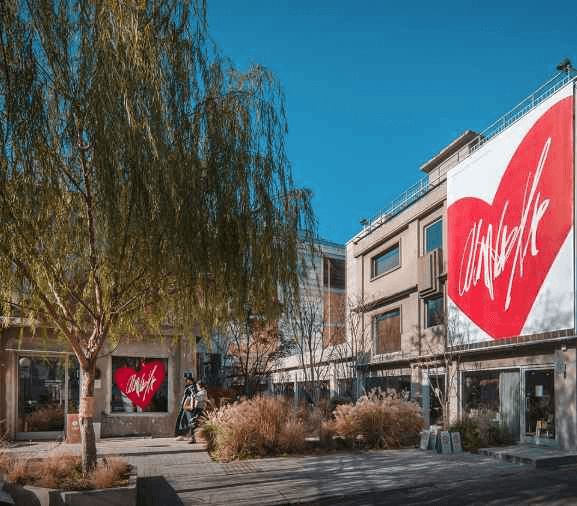
Seongsu Pop-Up Culture: How Korea's Trend District Works
Contains affiliate links
Stay connected in Korea
Get a Korea travel eSIM before you land — data works the moment you arrive, no SIM swap.
Contains affiliate links
Why Seongsu Became Korea's Pop-Up Capital
Seongsu (성수동) was Seoul's shoe-manufacturing and printing district through the 1990s. Cheap industrial rent, high ceilings, and raw concrete interiors made its old factories and warehouses attractive to designers looking for a look that felt authentic rather than built-from-scratch. Over the past decade, that aesthetic became the backdrop for Korea's pop-up economy: brands rent a warehouse shell for a few weeks, build an immersive installation, generate a wave of social content, then tear it down and hand the space to the next tenant.
Unlike a permanent flagship store, a Seongsu pop-up is designed to expire. That's the whole point — scarcity drives foot traffic, and foot traffic drives the Instagram and TikTok content that functions as the brand's real advertising budget. This is why the district changes almost completely every month, and why "what's in Seongsu right now" is a genuinely different question depending on when you visit.
How the Pop-Up Cycle Actually Works
Most pop-ups run on one of three timelines:
- Short-run (3-10 days): Product launches, single-brand collabs, often tied to a specific drop date
- Standard (2-4 weeks): The most common format — a themed installation with a retail or sampling component
- Seasonal (1-3 months): Larger, better-funded builds, often from global fashion, beauty, F&B, or tech brands entering the Korean market
Because leases are short and turnover is constant, there is no permanent map of "Seongsu pop-ups." Anything you read that lists specific stores by name is likely outdated within weeks. Treat named examples in any guide, including this one, as illustrations of the format rather than a current schedule.
How to Find What's Actually Open
Since there's no single reliable listing, combine a few sources on the day you go:
- Instagram location tags and hashtags — search the neighborhood name or "성수 팝업" (Seongsu pop-up) for recent posts with geotags
- Naver Map — search "성수 팝업스토어" directly in the app; user reviews often note whether something has already closed
- Daelim Changgo (대림창고) and the Seoul Forest (서울숲) side streets — these clusters host the highest concentration of rotating spaces, so simply walking the blocks around them surfaces new openings
- Brand's own social accounts — most pop-ups are announced 1-2 weeks ahead with exact dates and hours
If you're navigating on foot, see our guide on how to use Naver Map in Korea as a foreigner — English place names are inconsistent in Seongsu, so searching in Korean or by landmark works better than searching in English.
What to Expect Once You're There
Most pop-ups are free to enter, but the details vary by format:
| Format | Entry | Reservation | Typical wait |
|---|---|---|---|
| Brand showcase (no purchase) | Free | Rarely needed | 10-30 min weekends |
| Product launch with sampling | Free or small deposit | Sometimes via Naver Reservation | 30-60 min weekends |
| Ticketed exhibition/experience | ₩5,000-₩20,000 | Usually required in advance | Entry slots, minimal wait if booked |
| F&B collab pop-up | Pay for item | Occasionally | 20-45 min |
Weekday afternoons (Tuesday-Thursday) are noticeably quieter than weekends. Saturday afternoon lines for a hot pop-up can run 45 minutes or more, especially if the brand has posted about it on social media that morning. If a pop-up requires reservation, it's almost always through a Naver Reservation link posted in the brand's Instagram bio — booking rarely opens more than a week ahead, and slots for popular launches fill within hours.
Reading the Room: Is It Worth the Trip?
Not every pop-up rewards a special trip. A few filters help:
- Photo-only installations (no product, no sampling) are usually worth a quick stop if you're already in the area, not a dedicated trip
- Product drops with limited merchandise are worth planning around if you specifically want the item — Korean pop-up exclusives don't typically restock elsewhere
- F&B collabs are hit-or-miss; check recent Naver reviews for actual food quality rather than assuming a famous brand name means a good pop-up
Because the whole district turns over so fast, it's reasonable to arrive with zero plan and just walk from Seongsu Station Exit 3 toward Seoul Forest, checking whichever storefronts have a line or a crowd gathered outside — that's usually a reliable signal something current is happening inside.
Practical Logistics
Getting there: Seongsu Station (성수역) sits on Line 2, about 15-20 minutes from Gangnam or Hongdae by subway. Exit 3 puts you closest to the Daelim Changgo cluster; Exit 4 is better for the Seoul Forest side. If you're combining Seongsu with other neighborhoods, check our Seoul subway guide for transfer timing.
When to go: Weekday mornings and early afternoons for photos without crowds; weekend afternoons if you want to see the district at full energy (and don't mind lines).
Payment: Most pop-ups, even free ones, sell some merchandise on-site. Cards are accepted almost everywhere, but see how to pay in Korea as a tourist if you want cash-vs-card specifics.
Where to base yourself: Seongsu itself has limited tourist accommodation; most visitors day-trip in from Hongdae, Gangnam, or central Seoul. Compare options in our best areas to stay in Seoul guide.
For a broader look at the neighborhood's cafés, permanent shopping, and non-pop-up attractions, see the full Seongsu travel guide.
Bottom Line
Seongsu's pop-up scene isn't a fixed attraction — it's a live, rotating system that brands use to test products and generate buzz before scaling elsewhere. There's no substitute for checking Instagram and Naver Map on the actual day you go, and no guide (including this one) can promise a specific store will still be open by the time you arrive. Treat it as a district to wander rather than a checklist to complete.
Seongsu Pop-Up Culture: How Korea's Trend District Works
Contains affiliate links
Quick answers
How do I find out what pop-ups are currently open in Seongsu?
Search "성수 팝업스토어" on Naver Map, check Instagram location tags for Seongsu, or simply walk the blocks around Daelim Changgo and Seoul Forest — active pop-ups usually have visible lines or crowds outside. There's no single official directory since locations change every few weeks.
Do I need to book Seongsu pop-ups in advance?
Most brand showcases are walk-in only. Ticketed exhibitions and popular product-launch pop-ups often require booking through a Naver Reservation link in the brand's Instagram bio, usually opening about a week ahead. If a pop-up has limited merchandise or a hot collab, book as soon as slots appear.
Is Seongsu pop-up shopping free to enter?
Most are free to walk through, since they function as marketing rather than retail. Some charge ₩5,000-₩20,000 for ticketed experiences or exhibitions, and F&B collabs charge for the item itself. Check the brand's Instagram post for entry details before going.
What's the best time to visit Seongsu to avoid crowds?
Weekday afternoons, especially Tuesday through Thursday, are far quieter than weekends. Saturday and Sunday afternoons can mean 30-60 minute waits for popular pop-ups, particularly if the brand has posted about it on social media that day.
Local Now
Seoul Lunar New Year Opening Hours: What Stays Open
See Seoul Lunar New Year opening hours for Myeongdong, Hongdae, and Insadong shops, markets, and restaurants, plus Jan 1 closures and subway hours.
Facts checked: 2026-08-13 · 7 min read
Summer in Korea: Rainy Season, Heat and How to Plan
Summer in Korea brings monsoon rain and heavy humidity. Here's when jangma hits, how hot it gets, and how to plan around both.
Facts checked: 2026-07-19 · 7 min read
Winter in Korea: Weather, What to Pack & Best Things to Do
A complete guide to winter in Korea: exact season dates and months, real Seoul temperatures, snow chances, whether Korea winter travel is worth it, what Korean winters actually feel like, what to pack, and the best cold-weather things to do.
Facts checked: 2026-09-09 · 8 min read
Latest guides
Yeoju Premium Outlets Shuttle Bus: Seoul Day Trip Guide
How to get the Yeoju Premium Outlets shuttle bus from Seoul, grab the foreigner discount coupon, and store luggage before shopping. Routes, times, prices.
Facts checked: 2026-10-20 · 7 min read
How to Book K-League Football Tickets in Korea
How to find K-League match schedules and buy football tickets in Korea: official sites, stadium box offices, prices, and English-language support.
Facts checked: 2026-10-18 · 5 min read
Hiking Bukhansan as a Tourist: Easiest Routes & Subway Access
Hike Bukhansan as a first-timer: the easiest beginner trails, the gear to pack, and which subway station gets you to each trailhead.
Facts checked: 2026-10-15 · 6 min read
Where to Stay in Jeju: Jeju City vs Seogwipo vs Aewol
Compare Jeju City, Seogwipo, and Aewol to pick the right home base for your first Jeju trip based on attractions, nightlife, and drive times.
Facts checked: 2026-10-13 · 6 min read