Hotel & Motel Key Deposits in Korea: Getting Your Cash Back
Facts checked: 2026-10-256 min read
By Korea Visit Guide Editorial · Published · Updated
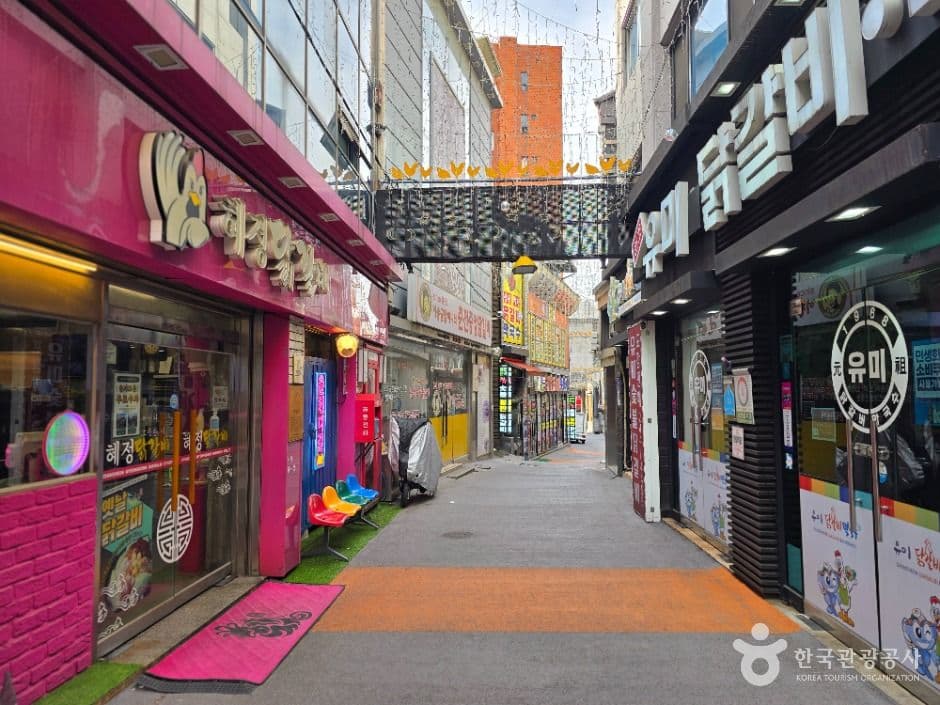
Hotel & Motel Key Deposits in Korea: Getting Your Cash Back
Contains affiliate links
Stay connected in Korea
Get a Korea travel eSIM before you land — data works the moment you arrive, no SIM swap.
Contains affiliate links
Check in at a Korean motel or guesthouse and the desk clerk sometimes asks for cash on top of the room rate you already paid online. It feels like a scam the first time. It isn't. It's a refundable key deposit, and a large share of independent motels and small hotels in the country use one.
Why Korean hotels ask for a deposit at check-in
The deposit covers three things: a lost or unreturned room key, damage to the room, and anything you use from the minibar or paid extras. Small motels and guesthouses rarely run a card pre-authorization the way international chains do, so they ask for cash instead. It's simpler for a one- or two-person front desk to hand back a cash bundle than to process a second card transaction at checkout.
This is a separate charge from the room rate. If you prepaid through Agoda, Booking.com, or a Korean platform like Yanolja, that payment only covers the stay itself. The deposit is collected locally, in person, when you arrive. For a broader rundown of how payment generally works in the country, see how to pay in Korea as a tourist.
Larger hotel chains tend to take a card pre-authorization instead of cash. Standard hotels commonly hold around ₩50,000-100,000 per night, and 5-star properties run higher, often ₩100,000-200,000 per night or roughly 10-20% of the total accommodation cost. Smaller guesthouses and motels are the ones that stick to physical cash, usually somewhere in the ₩10,000-100,000 range, refunded the moment you hand the key back.
How much to expect, and in what form
There's no single fixed amount. It depends on the property's size, star rating, and whether you booked through an OTA or walked in. Short version:
| Property type | Deposit method | Typical range | When refunded |
|---|---|---|---|
| Budget motel / guesthouse | Cash | ₩10,000-100,000 | Immediately at check-out |
| Mid-range hotel | Cash or card hold | ₩50,000-100,000 per night | Cash: immediate / Card: 3-7 business days |
| 5-star hotel | Card pre-authorization | ₩100,000-200,000 per night, or 10-20% of total cost | 3-7 business days, longer for foreign cards |
Credit card holds are generally the fastest non-cash option: the limit is usually restored within 3 to 7 business days, and up to two weeks for international cards depending on your bank. Debit cards move slower. The amount is often actually withdrawn rather than just held, and getting it back can take longer, sometimes well over a week, which can throw off a tight travel budget if you're relying on that money later in the trip. Cash stays the quickest route precisely because you get it back on-site the moment you check out, though it does mean carrying a larger wad of bills for the stay.
Some properties list the deposit policy on the booking confirmation; check it before you arrive. If it isn't listed, booking through Agoda, Booking.com or Trip.com still won't surface the local cash deposit. That detail usually only shows up in the property's own check-in instructions or confirmation email.
The exact check-out process to get your deposit back
- Pack up and gather both key cards, or the single key if it's an older motel, before heading to the desk.
- Tell the front desk you're checking out. Hand over the key.
- Staff check the room. Sometimes it's just a glance at the minibar fridge and bathroom before confirming nothing's missing or broken.
- If everything checks out, you get the full cash deposit back on the spot, counted out in front of you.
- If you paid by card, the pre-authorization is released rather than refunded as a separate transaction. Watch your statement over the following week.
Keep the receipt from check-in if the motel gave you one. It's your proof of the amount paid, and useful if a dispute comes up later.
What happens if the deposit is withheld or short
Clerks deduct from the deposit, or in rare cases keep all of it, for a few specific reasons: a missing key card (motels often charge a flat key-replacement fee rather than the full deposit), a broken item in the room, cigarette smell in a non-smoking room, or minibar items consumed without being declared. Ask for an itemized reason on the spot. Most front desk staff, even with limited English, can point to the item or show you the minibar list.
If a card deposit doesn't release after a week or two, contact the hotel directly with your check-in and check-out dates and the receipt. A pending authorization you see on a statement is usually just the bank being slow to clear it, not the hotel keeping your money; it's rarely folded into your actual final charge.
If you genuinely believe a property withheld cash unfairly and won't resolve it, call the 1330 Korea Travel Helpline. It's a free, 24-hour voice and live chat line run by the Korea Tourism Organization, staffed in Korean, English, Japanese, Chinese and Russian, and it exists specifically to handle tourist complaints as well as general travel questions. Dial 1330 from any phone in Korea, no area code needed. This is a genuine escalation path, not just an info line, and it works for deposit disputes with motels and guesthouses specifically.
Avoiding deposit surprises before you even arrive
Check the booking platform's property page or confirmation email for a line about a "security deposit" or "guarantee" before you land. If it's silent on the topic, assume a budget motel will ask for cash and bring small bills. A mix of ₩10,000 and ₩50,000 notes covers almost every deposit range you'll meet. Larger chain hotels in neighborhoods like Myeongdong or Gangnam are more likely to just ask for the card already on file from booking.
One more thing worth doing before you land: grab a Korea eSIM so you can pull up your booking confirmation, translate the front desk's questions, or call 1330 the moment you land, without hunting for Wi-Fi first.
Going with an unfamiliar guesthouse instead of a known chain? The deposit policy, not the room photos, tells you how it's actually run. A property that hands you a clear receipt at check-in is usually one that returns your money without friction at check-out.
Hotel & Motel Key Deposits in Korea: Getting Your Cash Back
Contains affiliate links
Quick answers
Do all Korean hotels and motels ask for a key deposit?
No. Most independent motels and guesthouses do, usually in cash, while many international chain hotels use a card pre-authorization instead. Some budget motels skip it if you booked and prepaid through an OTA with a verified card on file. Check your booking confirmation or ask at check-in if you're unsure.
How much is a typical hotel deposit in Korea?
Budget motels and guesthouses typically ask for around ₩10,000 to ₩100,000 in cash. Mid-range and 5-star hotels that use card holds tend to run higher, often ₩50,000 to ₩200,000 per night or a percentage of the total stay, depending on the property's grade.
How long does it take to get a card deposit back after checkout?
Credit card pre-authorizations usually release within 3 to 7 business days, longer for foreign-issued cards depending on your bank. Debit card deposits are slower, since the amount is actually withdrawn rather than just held, and can take well over a week to come back.
What if the motel won't give my cash deposit back?
Ask staff for a specific, itemized reason, such as a missing key or a minibar charge, before accepting a deduction. If the explanation doesn't add up and the property won't resolve it, call the 1330 Korea Travel Helpline, a free multilingual line that handles tourist complaints 24 hours a day.
Korea Essentials
Jeju Visa-Free Entry: Who Qualifies and What to Bring
Jeju visa-free entry explained: which nationalities qualify, who is excluded, and the exact documents airlines and immigration check on arrival.
Facts checked: 2026-10-22 · 6 min read
Vegan and Vegetarian Food in Seoul: Full Survival Guide
Vegetarian and vegan food in Seoul: how to dodge hidden fish sauce and anchovy broth, key phrases, and where the dedicated plant-based restaurants are.
Facts checked: 2026-09-23 · 7 min read
Korean Etiquette for Tourists: Dining, Subway & Tipping
Korean etiquette for tourists: what to do at meals, on the subway, with greetings, and why you shouldn't tip. Avoid faux pas before you land.
Facts checked: 2026-09-22 · 6 min read
Latest guides
Yeoju Premium Outlets Shuttle Bus: Seoul Day Trip Guide
How to get the Yeoju Premium Outlets shuttle bus from Seoul, grab the foreigner discount coupon, and store luggage before shopping. Routes, times, prices.
Facts checked: 2026-10-20 · 7 min read
How to Book K-League Football Tickets in Korea
How to find K-League match schedules and buy football tickets in Korea: official sites, stadium box offices, prices, and English-language support.
Facts checked: 2026-10-18 · 5 min read
Hiking Bukhansan as a Tourist: Easiest Routes & Subway Access
Hike Bukhansan as a first-timer: the easiest beginner trails, the gear to pack, and which subway station gets you to each trailhead.
Facts checked: 2026-10-15 · 6 min read
Where to Stay in Jeju: Jeju City vs Seogwipo vs Aewol
Compare Jeju City, Seogwipo, and Aewol to pick the right home base for your first Jeju trip based on attractions, nightlife, and drive times.
Facts checked: 2026-10-13 · 6 min read